


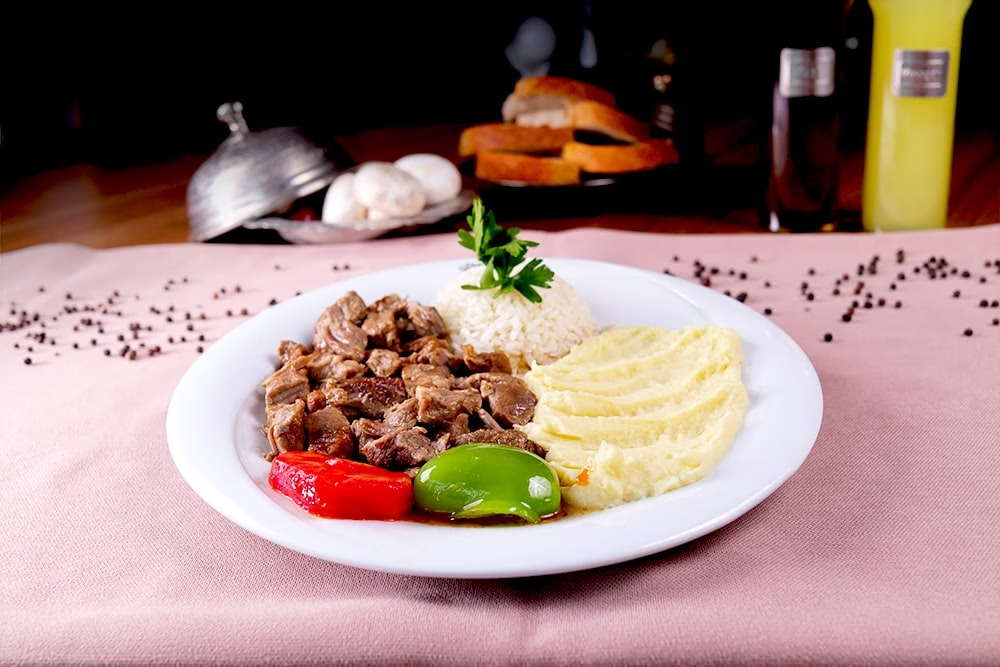
Bolu is one of those Turkish cities people drive through on the way somewhere else, usually between Istanbul and Ankara. That is a mistake if you like food. This is the province that produces some of the country’s most respected professional cooks, and the table here is built on meat, mountain produce and a lot of butter.
Bolu’s famous chefs come from Mengen, a town inside the province. Their tradition goes back to the kitchens of the Ottoman sultans, and Mengen is still known for turning out some of Turkey’s most skilled cooks.
Two climates, two kitchens
Bolu sits where two climates meet, and the cooking splits accordingly. In the northwest, eating habits follow the eastern Black Sea region, so mısır unu (cornmeal) shows up in a lot of dishes. In the east and south, wheat takes over.
Livestock farming is common in both halves, which is why meat dishes sit at the centre of the menu. If you are coming for a serious meal, Bolu is built for it.
The dishes to look for
Here is a rundown of what local menus tend to offer:
- Yayla çorbası – a yoghurt-based soup
- Ovmaç çorbası – a traditional local soup
- Tarhana çorbası – soup made from fermented grain and yoghurt, a Turkish pantry staple
- Yoğurtlu bakla çorbası – broad bean soup with yoghurt
- Mantı – small filled dumplings
- Kedi batmaz – a local specialty
- Orman kebabı – “forest kebab”
- Abant kebabı – lamb served in crêpe cups (details below)
- Mengen pilavı – Mengen-style rice
- Kabaklı gözleme – thin flatbread filled with pumpkin
- Kaldirik dolması – stuffed leaves of the wild kaldirik plant
- Cevizli keşli erişte – noodles with walnuts and cheese
- Bolu çikolatası – Bolu chocolate
- Saray helvası – “palace halva”, a sweet with Ottoman roots
Koru kebabı
You can find more kinds of meat in Bolu’s restaurants than you could eat in a lifetime, but koru kebabı stands apart from the rest.
Bıldırcın ızgara (grilled quail)
Quail meat and quail eggs are everyday food in Bolu. The grilled version comes with peppers, tomatoes and quail eggs on the side, and the thing to check is that the bird has been cooked properly over charcoal.
The restaurant at Koru Hotel is a good place to try it. The hotel’s shop also sells wild strawberry, blackberry and rosehip jams, pine honey, tarhana soup mix and hand-cut egg noodles (kesme ev eriştesi), which pack easily for the trip home.
Cevizli Mengen kebabı
This is the heavyweight of the region, and a good illustration of how seriously Bolu takes meat. Cevizli Mengen kebabı (Mengen kebab with walnuts) combines several kinds of meat in a single dish, and it is rich, delicious and filling. It is also a lot of work to make.
The ingredients are tenderloin slices, chicken breast, köfte (spiced meatballs), strained yoghurt, pide bread, tomato sauce, long green peppers, quail eggs, walnuts, sunflower oil and butter.
One way it is prepared:
- Slice the pide thinly and sauté it in sunflower oil.
- Add tomato and meat stock, spoon the mixture onto plates and pour garlic yoghurt over it.
- Grill the tenderloin and chicken cut into strips, plus finger-shaped köfte, and lay them in order on top of the yoghurt.
- Add chopped walnuts and butter, then finish with cooked quail eggs and serve.
A variation uses pide pieces topped with cubes of lamb cooked on a hot saç (a domed metal griddle), tomato sauce and grated kaşar cheese. That version is browned in the oven before it reaches the table.
Eating around Lake Abant
Abant Gölü (Lake Abant) is a small lake surrounded by pine, fir and beech forest. Most people come for a day or a weekend of walking and picnicking, and the food scene is built around that.
Trout on the road to the lake
The trout farms along the road to Abant make an easy lunch stop. The gardens are green, with Chinese roosters (the ornamental chickens) and geese wandering around, and the trout comes fried in butter. At the pier of Abant Köşkü on the lakeshore, barbecue is also possible.
Abant kebabı
The dish takes its name from the lake, and because it is served inside crêpes it looks a bit European. Lamb cubes are fried with onion and garlic in melted margarine, then simmered with tomato paste and water. Thick crêpes made from milk, eggs and flour are pressed into round bowls, and the meat goes inside. The crêpe cups are arranged on a tray, topped with sauce and served with rice.
Roadside stalls and “cook-it-yourself” restaurants
Along the Bolu Dağı (Bolu Mountain) road you will find plenty of grill restaurants for meat and fish, including kendin pişir kendin ye places where you cook your own food at the table. Small stalls line both sides of the road selling honey, jam, cheese, kaymak (clotted cream), hawthorn berries, village bread, vegetables and fruit.
If you cannot stop on the way, the market inside the national park area at the lake sells homemade jam, pastries, kesme makarna (hand-cut pasta), chestnuts, nuts, honey and cheese. Buy a loaf of köy ekmeği (village bread) while you are there. It is baked with thin potato slices in the dough, which makes it slightly moist and filling, and it stays fresh for several days.
Lakeside restaurants
The restaurants at Abant Palace and Büyük Abant Oteli serve international dishes alongside popular Turkish food. There are also two kır gazinosu (country-style open-air restaurants) on the lakeshore. They are among the few places where you can get a spread of meze and olive-oil vegetable dishes together with Abant trout and the local kebab.
Practical notes
Opening hours, seasonal schedules and prices at restaurants, hotels and roadside stalls change from year to year, so check before you go, especially if you are visiting outside the weekend rush at Abant.